
Marginal Gains in Cycling: Why a Skinsuit Makes a Real Difference
Share
In cycling, progress rarely comes from one dramatic change. For most riders, especially those who train consistently, improvements happen through a series of small, almost invisible adjustments. This philosophy is often referred to as marginal gains, and it sits at the core of modern performance cycling. It is not about shortcuts or miracles. It is about efficiency, precision, and making sure that every watt you produce actually moves you forward.
A skinsuit is one of the clearest expressions of marginal gains in cycling.
Here is why: Not because it makes you stronger, but because it helps you waste less of what you already have. When fitness is built and preparation is done, clothing becomes part of the performance equation, not an afterthought.
At higher speeds, aerodynamic drag becomes the main resistance a rider faces. Above a certain pace, it matters far more than rolling resistance or bike weight. Loose fabric, poorly placed seams, and excess material create turbulence that quietly steals speed. You may not feel it immediately, but over time and distance, it adds up. A skinsuit addresses this by simplifying the interface between rider and air. One continuous piece, designed to sit close to the body, minimizes disruption and allows airflow to remain more stable.
What makes this particularly important is that the gains are consistent. Unlike fitness, which fluctuates daily, aerodynamic efficiency works every second you are riding at speed. Whether you are racing, riding a time trial, pushing the front of a group, or simply trying to hold a strong pace, reduced drag helps convert effort into forward motion more effectively. This is the essence of marginal gains: small advantages, applied continuously.
There is also a psychological element that often goes unnoticed. A well-designed skinsuit removes distractions. No fabric flapping in the wind, no need to adjust layers, no second guessing whether your kit is holding you back. Riders often describe the feeling as “clean” or “quiet.” Once you start riding, the suit disappears, allowing you to focus fully on pacing, breathing, positioning, and decision-making. That mental clarity is part of performance, even if it cannot be measured in watts.
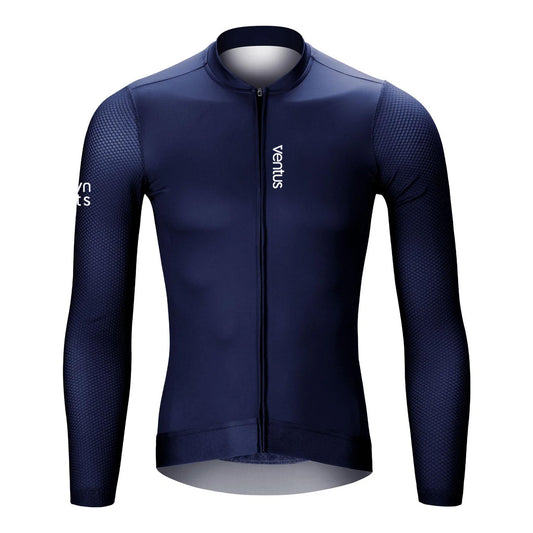
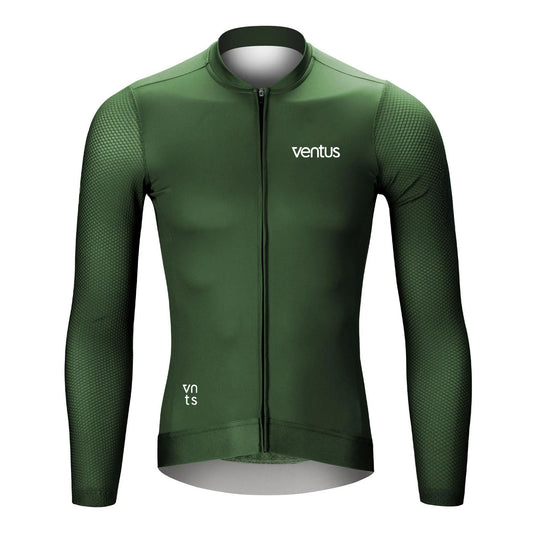
The Ventus Supersonic Race Skinsuit Pro-I was developed with this exact mindset. It is not designed to promise unrealistic gains or exaggerated time savings. Instead, it focuses on refining the details that matter most at speed. The fit is engineered to remain stable under effort, reducing movement that creates drag and discomfort. The construction is optimized for racing and high-intensity riding, where efficiency and control are more important than versatility. It is built to protect the work you put into training, not to replace it.
Marginal gains also become more relevant as riders progress. Early in a cycling journey, improvements come easily through training volume and basic technique. As fitness increases, gains become harder to find. This is where equipment choices begin to matter more. When two riders are equally strong, the one who wastes less energy often has the advantage. Over the course of a long effort, that difference can be the gap between holding pace and fading, between making a move and hesitating.
It is important to understand that a skinsuit is not reserved only for professionals. Any rider who values efficiency, whether racing or riding solo, can benefit from the principles behind it. The goal is not to look fast, but to ride with fewer compromises. When clothing works with the body instead of against it, the entire experience improves. Effort feels smoother. Speed feels more controlled. Fatigue arrives later.
Ultimately, marginal gains are about respect for the process. They reflect a mindset that values preparation, attention to detail, and incremental improvement. A skinsuit fits naturally into this approach. It does not change who you are as a rider, but it supports the rider you are becoming.
In a sport where progress is earned slowly and honestly, those small advantages matter. Not because they are dramatic, but because they are reliable. And in cycling, reliability is often what separates a good ride from a great one.